conjuring a storm

a request for energizing thunderstorms to cool and refresh us — dark rumbling charcoal clouds, deep green leaves, golden streetlight-lit sheets of rain, thunder that rolls through us like we’re sleeping on a train. we’ll fling open windows, dim lights, hold pets, soak in fresh energy, please send a gentle, steady storm, we all need a little jump.

With the long drought and heatwave we’ll likely get flash flooding over the pavement and dry, cracked ground, although I like to think more people have caught on to mulching nowadays, and that so much zeroscaping (basically xeriscaping little desert climate dioramas in a areas that can comfortably support prairies and/or woodlands) is getting replaced — like the riparian ecosystem restoration at UT Dell Medical on Waller Creek. The pictures on the website don’t do it justice — last time I was there was in late Spring and it was a huge field of healthy, waist high native wildflowers from the sidewalk by the road to the creek. The project includes a green roof, rainwater harvesting, local flora, pollinators.1
I used to bike everywhere in the summer and there were parts of town I avoided because it was like being completely exposed to the sun on a pizza stone. Harsh pavement was lined with beds of grey or black stones and/or brown pebbles on landscape plastic with evenly spaced pointy, colorless desert flora, which makes things hotter, pokier, and more miserable when we could have earthy mulch, native flowers, and shade trees. Also, interplanting with cacti is possible here and very beautiful — many of these desert plants and native flora can inter-be. This is a crossroads for three eco-regions and that allows for a little bit of drift I assume.
Anyway, the point I’m getting at is that when the hell dome cracks I wouldn’t be surprised if the storm isn’t gentle, so when thinking of future landscape projects, consider the path of the water in a storm surge or a monsoon. Paving over marshes was a Bad Idea in Houston. Sometimes nature knows better and it is smart to figure out how to cooperate with the earth’s rhythms. I get that people feel the need to subdue, conquer, harness, and dominate the earth, but what if we like, paid attention to seasons and mulched the shit out of everything rather than letting rain sheet off plastic, stone, and cement into storm drains and low lying homes?
I’ve been pacing around, pro-ing, con-ing, planning ahead, and have decided to reserve a ChipDrop to get some mulch as soon as the temperature is below iron foundry temperatures. I haven’t done this before, but from looking at the site I want to be prepared before calling it in because they just show up unannounced and dump a truckload of wood chips from clearing a site. Sometimes logs, too, but you can specify whether you want them or not. I don’t have a wheelbarrow or a chainsaw, and I would like to use some logs for mushroom cultivation and carpentry.

(in my mind I have all this energy in the future. if a thunderstorm happens i will be reborn, I am not weak, I just need a jump),
so before I order a chip drop I’m purchasing a wheelbarrow and borrowing a saw
(maybe I’ll try a handsaw? How big are these logs? Can I cut one down and replace my kitchen countertop? Why does my brain think my body will have this kind of energy does it know something I don’t?).
I’m thinking about what to do when the weather changes, as though it will change, when will it change?
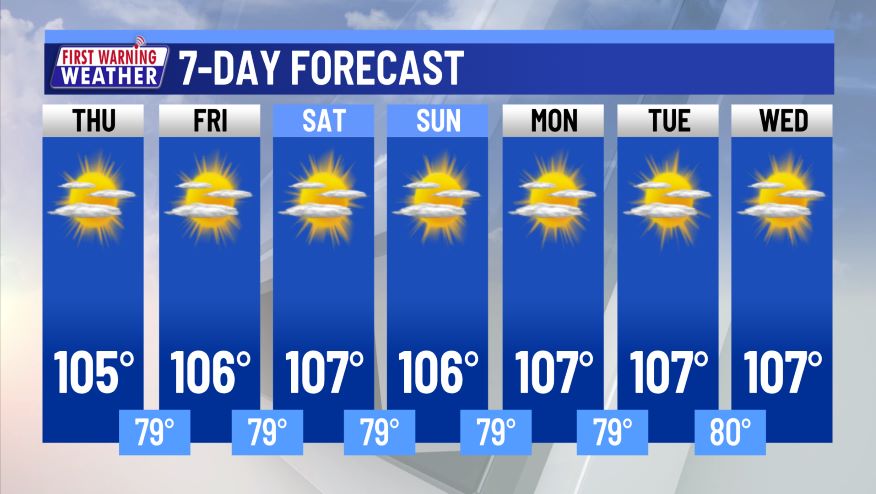
While stuck indoors I am dismantling and emptying every shelf and resetting things, stripping and scraping paint from kitchen cabinets, resting between every half hour worked so I don’t crash, listening to storm playlists.
“Through careful design and planning, The Dell Medical District accomplished a sustainably resilient environment that reduced outdoor water use, restored 100 percent of the native plant communities along the riparian corridor, conserved and utilized native plants, reused salvaged plants, leveraged recycled content for 28 percent of the materials cost and restored 3,318 cubic yards of soil. Stormwater management features were designed as site amenities to provide visitors with a connection to the local climate and hydrology. Using a combination of rain gardens, pervious pavers, rainwater harvesting, and a green roof, the project manages the 80th percentile rainfall event or approximately 46,939 cubic feet of water.” The Sustainable SITES Initiative, “Dell Medical District—University of Texas at Austin" ↩





Member discussion